
How to Choose Paella Rice and Why It Makes All the Difference
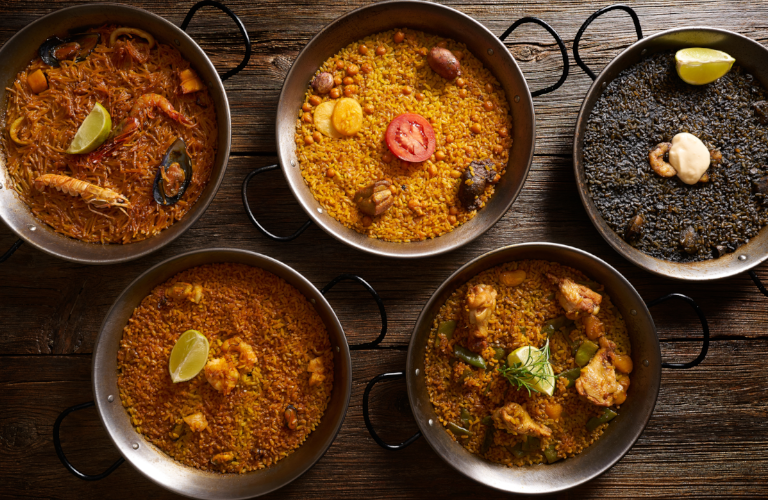
One Sunday, my Polish neighbour came by with a big smile and a question: “How do I make paella at home?” She had tried it at the Stockbridge Market stall (yes, they’re one of our clients at Iberico Foods!) and wanted to recreate the experience. I quickly pulled out my paella pan and gave her the basics: fry the vegetables, add meat or fish, pour in stock with saffron and paprika, take it to boil, then add rice and—most importantly—never stir it again. The challenge, I told her, lies in using the exact amount of water and the right rice. She didn’t seem too worried about the rice, tho… until she came back two hours later with a disappointed face and a container of paella. The flavour was fantastic, the socarrat was perfect, but the rice? Hard, tasteless, and ruined. Exactly the same problem I’d had a few days before with a bag of cheap supermarket rice that I used for a different dish.
This is why choosing the right paella rice matters. Let’s dive into why not all rice is created equal—and which one will guarantee you a paella worth remembering.
What Makes Paella Rice Unique?
Paella rice is not just any rice. It’s a short-grain variety that absorbs liquid and flavour beautifully while maintaining its structure. Unlike long-grain rice (like basmati), which stays fluffy and separate, paella rice should be slightly sticky, rich in flavour, and able to create that prized socarrat (the golden crust at the bottom of the pan that paella lovers dream of). Authentic Spanish paella rice, like the varieties we import, is bred specifically for this purpose.
Why Regular Supermarket Rice Fails (and Ruins Your Paella)
Supermarket rice often looks the part but doesn’t behave the same way in the pan. It may not absorb stock properly, leaving you with grains that are either mushy or stubbornly hard in the centre. As my neighbour learned the hard way, it can turn what should be a celebratory dish into a disappointing, tasteless mess. Cheap rice doesn’t just save you pennies; it costs you your time, your effort, and the resto of the good ingredients that you used in the recipe.
Can You Use Normal Rice for Paella?
This is one of the most common questions we hear. The short answer is no. Long-grain rices like basmati or jasmine don’t absorb enough liquid and flavour, while risotto rice becomes too creamy. Only authentic paella rice gives you the correct texture and taste. If you want the real Spanish paella experience, you need proper Spanish paella rice.
Paella Rice Varieties: Myths and Misconceptions
The truth about Bomba rice
Bomba rice has become very fashionable, often marketed as the “authentic” choice. It’s true that its harder grain makes it difficult to overcook, but this also means it requires longer cooking times and more stock. Worse, it can be up to three times more expensive than standard paella rice—without adding more flavour to your dish. Bomba is not the golden ticket it’s sometimes claimed to be.
Why round-grain rice is the authentic choice
Traditional paellas in Spain are most often made with round-grain rice, like La Fallera, which we proudly import. It cooks faster, absorbs flavours wonderfully, and gives you the authentic texture Spaniards expect in their paella. It’s reliable, affordable, and has been trusted in Spanish kitchens for generations.
Discover the Hidden Gem: DOP Delta de l’Ebre Rice
Here’s something most people in the UK haven’t heard of: DOP Delta de l’Ebre rice. Grown in the fertile delta of the River Ebro, this rice has Protected Designation of Origin status, meaning its quality and origin are guaranteed. It’s a favourite among professional chefs and restaurants in Spain, and we supply it in 5kg bags—perfect for caterers, restaurants, or serious home cooks. If you want a professional-level paella without spending a fortune, this is the rice to choose.
How to Cook Paella Rice Perfectly Every Time
- Measure your stock carefully: typically 3 parts liquid to 1 part rice. Too much, and the rice will be mushy; too little, and it won’t cook through. And once it’s in, resist the temptation to add more stock, because it will wash the flavour away from the rice.
- Spread the rice evenly across the pan—no piles or clumps.
- Let it simmer without stirring, allowing the rice to absorb the liquid slowly.
- Watch for the socarrat: that caramelised crust is the hallmark of a well-cooked paella.
- If you did not use enogh stock and your rice is slightly undercooked, move the pan away from the fire and cover it for 5 to 10 minutes with a clean cloth. It will help the dish to achieve the right cooking point.
Where to Buy Authentic Paella Rice in the UK
At Iberico Foods, we specialise in importing authentic Spanish foods directly from trusted producers. We offer both La Fallera (1kg packs) for everyday cooking and DOP Delta de l’Ebre (5kg bags) for professionals and enthusiasts. Even the most popular paella stall in Scotland trusts us for their rice—proof that the right ingredient makes all the difference.
Invest in the Right Rice and Elevate Your Paella
Don’t let poor-quality rice sabotage your paella. Invest in authentic paella rice, and you’ll save yourself disappointment, food waste, and wasted effort—while gaining joy, flavour, and truly memorable meals. Explore our selection at ibericofoods.com and bring the taste of Spain straight to your table.
FAQs
What makes paella rice different from normal rice?
It’s short-grain and absorbs more liquid and flavour without turning mushy, unlike long-grain or risotto rice.
Can I use basmati or risotto rice for paella?
Not recommended. Basmati won’t absorb flavours properly, and risotto rice will become too creamy, creating more of a risotto than a paella.
How much stock do you need for paella rice?
Typically, about 3 parts liquid to 1 part rice. Adjust slightly depending on your pan size and heat source.
Where can I buy authentic Spanish paella rice in the UK?
At ibericofoods.com—imported directly from Spain, with options for home cooks and professionals.
What is socarrat and how do you achieve it?
Socarrat is the crispy, caramelised layer at the bottom of the pan, created by letting the rice cook undisturbed until lightly browned. It adds both texture and deep flavour to your paella.
Related Products
-
-
-
 Original price was: £66.95.£59.99Current price is: £59.99.


Latest Blog Posts

Smoked Pimenton De La Vera (DOP) – Authentic Spanish Smoked Paprika in the UK
Few ingredients define Spanish cooking as unmistakably as Smoked Pimenton De La Vera. Deep crimson in colour, intensely aromatic and unmistakably smoky, this spice is far more than “paprika”. It is the backbone of countless traditional dishes and one of Spain’s most...
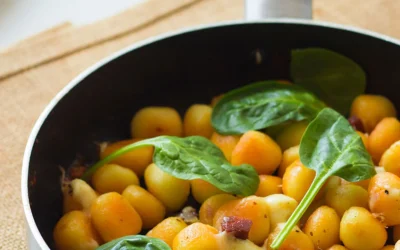
Easy Chorizo Recipes: Quick Spanish Dishes Packed with Flavour
If you’re looking for easy chorizo recipes that are genuinely quick, full of flavour and feel a little more special than your average weeknight dinner, you’re in the right place. Over the years, I’ve cooked with all sorts of chorizo, but I keep coming back to proper...
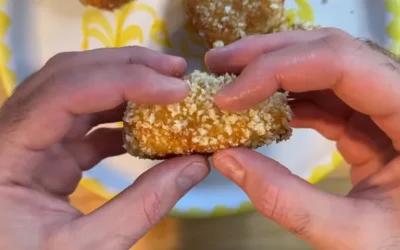
Authentic Jamon Croquetas Recipe – A Spanish Classic
If you’ve ever tasted croquetas in a Spanish tapas bar, you know they’re irresistible. Golden and crispy on the outside, creamy and packed with flavour inside, these Jamón croquetas are the ultimate comfort food. In this post you will find a jamon croquetas video...
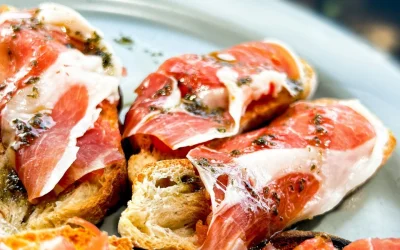
What is Iberico de Bellota? The Ultimate Guide to Spain’s Finest Ham
Iberico de Bellota is Spain’s most prestigious ham, crafted from purebred Iberian pigs raised free-range and fed on acorns during the montanera season. This unique diet and traditional curing process create an intense, nutty flavour and melt-in-the-mouth texture that...

The fabada recipe (butter bean and chorizo stew)
Fabada Recipe: This traditional Asturian stew combines tender butter beans, smoky chorizo, and rich flavours for the ultimate Spanish comfort food. Perfect for cold days and family gatherings, it’s a dish that brings warmth and authenticity to your table. Learn the...
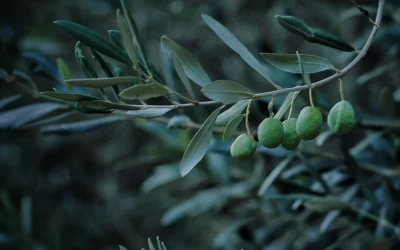
All About Spanish Extra Virgin Olive Production
Olives have been cultivated in Spain for over 3100 years and Spain is the undisputed world leader in olive oil production. The production of the Spanish liquid gold is the result of a long tradition and the latest scientific knowledge.