
Smoked Pimenton De La Vera (DOP) – Authentic Spanish Smoked Paprika in the UK
Few ingredients define Spanish cooking as unmistakably as Smoked Pimenton De La Vera. Deep crimson in colour, intensely aromatic and unmistakably smoky, this spice is far more than “paprika”. It is the backbone of countless traditional dishes and one of Spain’s most protected culinary treasures.
In the UK, demand for authentic Spanish smoked paprika has grown steadily. Yet not all paprika is created equal — and not all of it is smoked.

What Is Smoked Pimenton De La Vera?
Smoked Pimenton De La Vera is a traditional Spanish paprika produced in the region of La Vera, in Extremadura. Unlike standard paprika powders found in many British supermarkets, this spice undergoes a distinctive drying process over slow-burning oak wood fires.
The result is a flavour profile that is warm, rounded and complex — combining sweetness, earthiness and an unmistakable smokiness that cannot be replicated with artificial smoke flavouring.
The Difference Between La Vera and Murcia Paprika
In Spain, paprika is primarily produced in two regions: Murcia and La Vera.
Murcian paprika is air-dried and not smoked, resulting in a cleaner, sweeter and more straightforward flavour.
La Vera paprika, by contrast, is traditionally dried over oak wood for several days. This slow-smoking process gives it depth, aroma and culinary versatility. For many chefs and food specialists, this distinction is fundamental.
Consumers in the UK are often unaware of this regional difference — yet it is precisely what separates authentic smoked paprika from standard ground pepper powders.
Why Traditional Oak Wood Smoking Matters
The smoking process is not cosmetic. It transforms the peppers.
As the peppers dry slowly over oak embers, they absorb aromatic compounds that give the final spice its characteristic richness. This method has been preserved for centuries and remains central to La Vera’s identity.
Industrial alternatives simply cannot replicate this complexity.
Why DOP Certification Makes a Difference
Authentic Smoked Pimenton De La Vera carries the DOP seal — Denominación de Origen Protegida (Protected Designation of Origin).
This certification guarantees:
-
Specific authorised pepper varieties
-
Cultivation within the La Vera region
-
Traditional oak-wood smoking methods
-
Strict milling and quality controls
The DOP status is not decorative marketing. It ensures traceability, regional integrity and adherence to time-honoured techniques.
For buyers in the UK seeking genuine Spanish smoked paprika, the DOP seal is the clearest mark of authenticity.
Sweet vs Hot Smoked Pimenton De La Vera
One of the most common areas of confusion among buyers is the difference between sweet and hot varieties.
Both are smoked. Both are DOP-certified. The distinction lies in the pepper varietals used.
Sweet (Dulce): Rounded and Aromatic
Sweet Smoked Pimenton De La Vera delivers warmth without heat. Expect:
-
Deep smoky aroma
-
Subtle natural sweetness
-
Rich red colour
-
Balanced, mellow finish
It is essential in dishes such as:
-
Paella
-
Lentil and bean stews
-
Patatas bravas sauces
-
Chorizo production
For chefs and home cooks alike, sweet smoked paprika is often the most versatile option.
Hot (Picante): Structured Heat with Depth
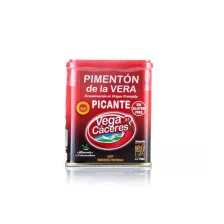
Hot Smoked Pimenton De La Vera introduces a gentle but defined heat, layered over the same smoky base.
Rather than overwhelming spice, it provides:
-
Controlled warmth
-
Peppery intensity
-
Lingering depth
It is particularly suited to:
-
Spicy chorizo
-
Rich meat stews
-
Marinades
-
Grilled dishes
The heat remains elegant rather than aggressive — enhancing rather than dominating.
How Smoked Paprika Defines Spanish Cuisine
Few ingredients shape Spanish cooking as profoundly as smoked paprika.
It forms the foundation of:
-
Traditional chorizo
-
Fabada and slow-cooked stews
-
Paella
-
Garlic prawns
-
Braised meats
Its role is structural — adding colour, aroma and depth in a single spoonful.
In British kitchens, it adapts effortlessly:
-
Stirred into mayonnaise for smoked aioli
-
Rubbed onto roast chicken
-
Added to casseroles
-
Sprinkled over roasted vegetables
Its versatility explains why searches for sweet smoked paprika 1kg, hot smoked paprika 750g tin, and bulk Spanish paprika continue to grow in the UK market.
Available Sizes – From Small Tins to Bulk 1kg
Authentic Smoked Pimenton De La Vera is available in formats suited to both home cooks and professional kitchens:
-
75g tins – Ideal for occasional use or specialty dishes
-
750g tins – Perfect for restaurants and regular cooking
-
1kg bulk formats – Designed for catering and high-volume kitchens
Choosing the correct format depends on usage frequency and storage conditions, but freshness remains paramount. Properly stored in a cool, dry environment, smoked paprika retains its aromatic intensity for months.
Frequently Asked Questions
What is the difference between smoked paprika and regular paprika?
Regular paprika may be air-dried and unsmoked. Smoked Pimenton De La Vera is traditionally dried over oak wood, giving it its distinctive aroma and depth.
Is all Spanish paprika smoked?
No. Paprika from Murcia is not smoked. Only paprika from La Vera follows the traditional oak-smoking method.
What does DOP mean?
DOP (Denominación de Origen Protegida) is a protected designation ensuring the product is grown, processed and produced in a specific region following regulated traditional methods.
Can smoked paprika be used in everyday British cooking?
Absolutely. It enhances stews, roasts, sauces and grilled dishes while adding colour and complexity.
Conclusion
Smoked Pimenton De La Vera is not merely a spice — it is a protected culinary tradition. Defined by oak-wood smoke, regulated by DOP certification and rooted in the landscape of La Vera, it represents the authentic expression of Spanish paprika.
For discerning cooks and professional kitchens in the UK, understanding the difference between sweet and hot varieties — and recognising the importance of DOP origin — is essential when choosing true Spanish smoked paprika.
Related Products

Latest Blog Posts
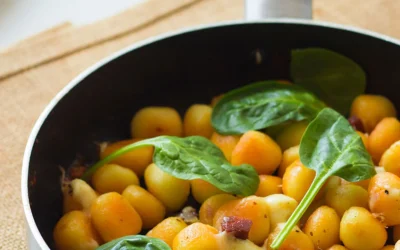
Easy Chorizo Recipes: Quick Spanish Dishes Packed with Flavour
If you’re looking for easy chorizo recipes that are genuinely quick, full of flavour and feel a little more special than your average weeknight dinner, you’re in the right place. Over the years, I’ve cooked with all sorts of chorizo, but I keep coming back to proper...
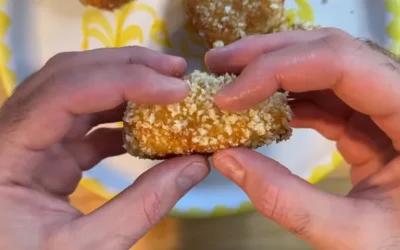
Authentic Jamon Croquetas Recipe – A Spanish Classic
If you’ve ever tasted croquetas in a Spanish tapas bar, you know they’re irresistible. Golden and crispy on the outside, creamy and packed with flavour inside, these Jamón croquetas are the ultimate comfort food. In this post you will find a jamon croquetas video...
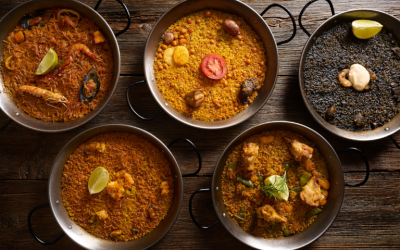
How to Choose Paella Rice and Why It Makes All the Difference
To make an authentic Spanish paella, you need to choose paella rice carefully. Short-grain varieties are ideal because they absorb flavour without becoming sticky. The right choice guarantees that every grain stays firm and full of taste, giving you that perfect...
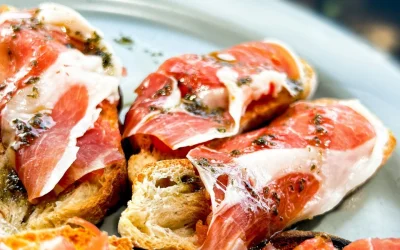
What is Iberico de Bellota? The Ultimate Guide to Spain’s Finest Ham
Iberico de Bellota is Spain’s most prestigious ham, crafted from purebred Iberian pigs raised free-range and fed on acorns during the montanera season. This unique diet and traditional curing process create an intense, nutty flavour and melt-in-the-mouth texture that...

The fabada recipe (butter bean and chorizo stew)
Fabada Recipe: This traditional Asturian stew combines tender butter beans, smoky chorizo, and rich flavours for the ultimate Spanish comfort food. Perfect for cold days and family gatherings, it’s a dish that brings warmth and authenticity to your table. Learn the...
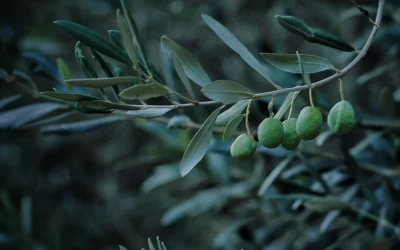
All About Spanish Extra Virgin Olive Production
Olives have been cultivated in Spain for over 3100 years and Spain is the undisputed world leader in olive oil production. The production of the Spanish liquid gold is the result of a long tradition and the latest scientific knowledge.